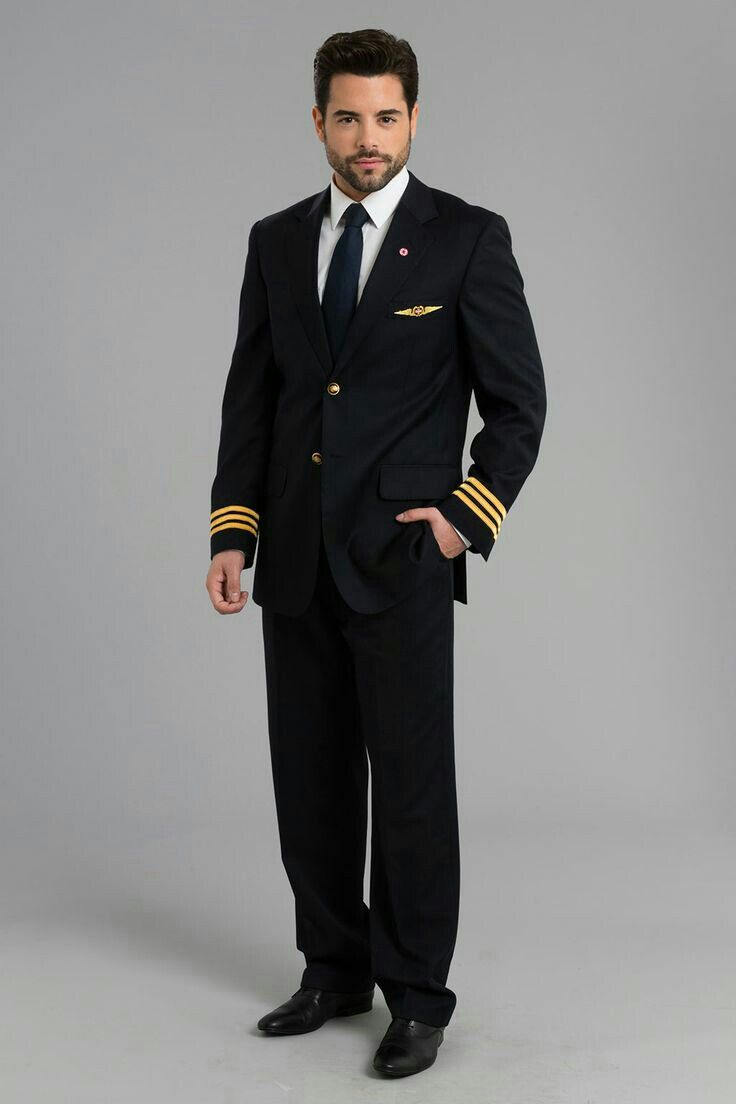
Aviation
Cabin-ready polish with authority in the silhouette
Tailoring, trim control, and elegant layering for premium travel-facing teams that need to feel disciplined and elevated.
Explore this program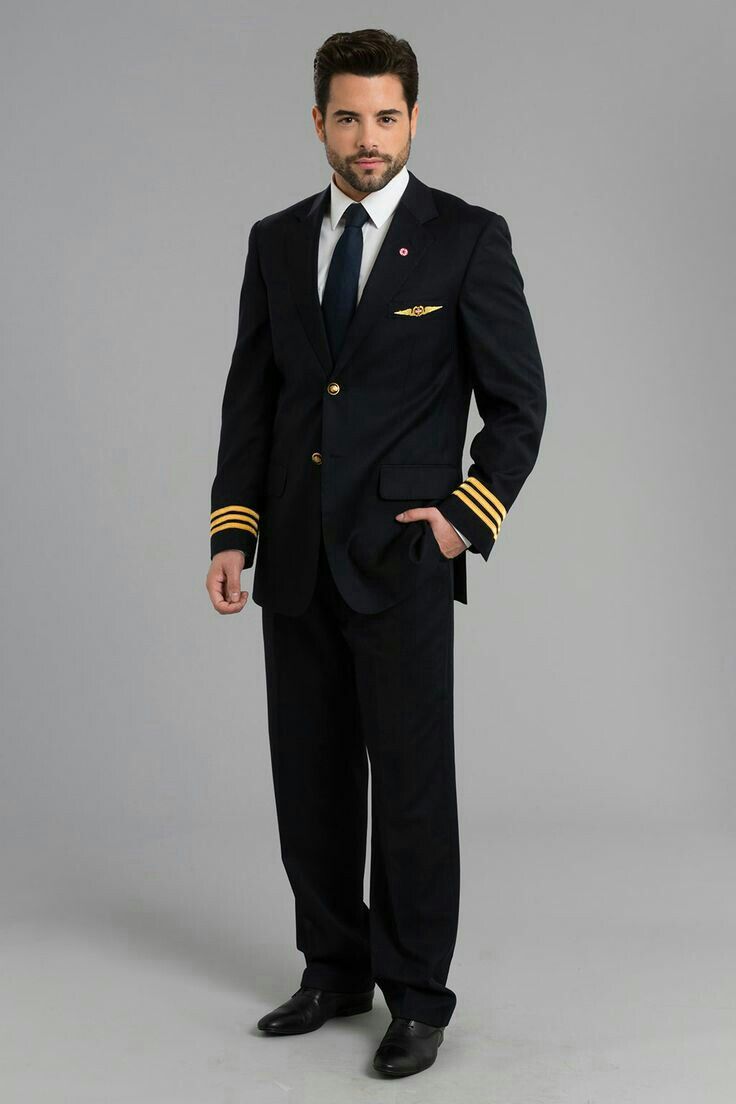
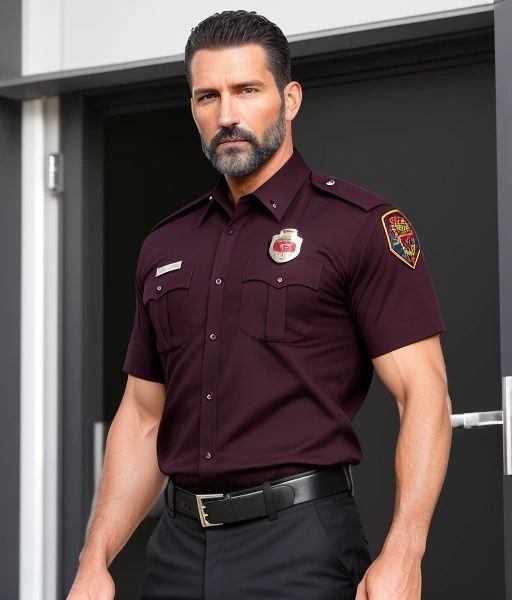
A refined 2026 hero direction for airlines, lounges, airport operations, and executive travel teams that need authority, elegance, and consistency in motion.
7
role layers mapped
24/7
shift-ready presentation
KSA
market-specific styling
Active program
Designed for cabin crew, concierge, premium check-in teams, and airport-facing operations.
Up next
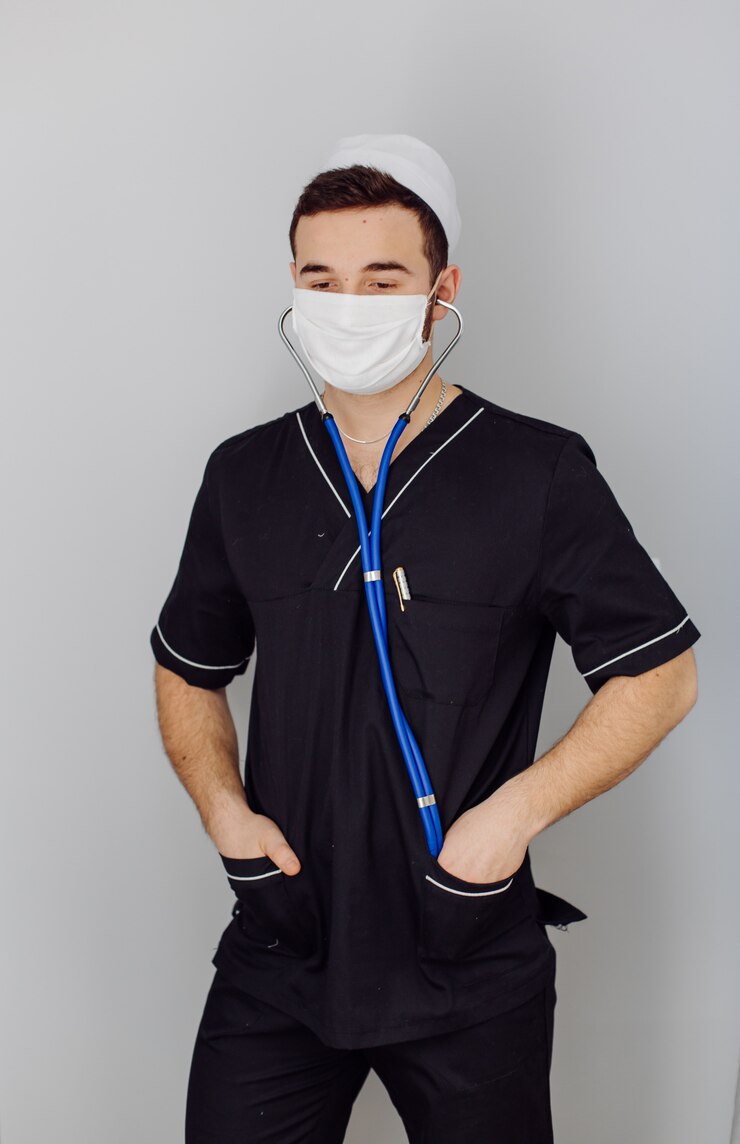
Healthcare uniform systems
Built for nurses, doctors, reception, labs, pharmacy, and patient-facing administrative teams.
Hero control
01
of 04 hero scenes
Image-led lookbook
Aviation
Tailoring, trim control, and elegant layering for premium travel-facing teams that need to feel disciplined and elevated.
Explore this programWhy this homepage should feel different
Buyers are looking for presence, repeatability, and a cleaner brand signal. The wardrobe has to perform in the field while still elevating how the organization is perceived.
Build a uniform language that feels consistent across leadership, frontline teams, and customer-facing moments.
Balance movement, durability, and comfort for long shifts, fast turnover, and demanding service environments.
Reduce sizing friction with structured fittings, role-based size planning, and replacement logic that scales.
Keep trims, embroidery, colors, and fabric behavior aligned before production hits the floor.
Operating model
Uniform programs break when the look is strong but the system is weak. This approach keeps concept, fitting, production, and replenishment connected.
01
Define the tone, hierarchy, and role architecture the uniform needs to communicate in real use.
02
Translate the concept into fabric direction, trims, motion testing, and role-specific garment groups.
03
Coordinate sizing, allocation logic, and supply rhythms for single sites or distributed operations.
04
Protect quality across replenishment cycles, updates, seasonal adjustments, and scale-up phases.
Signature sectors
Each sector needs its own balance of posture, movement, climate response, and customer-facing polish. The homepage now makes that difference visible immediately.
Structured tailoring, polished layering, and high-visibility role variations for premium passenger-facing teams.
Explore this sector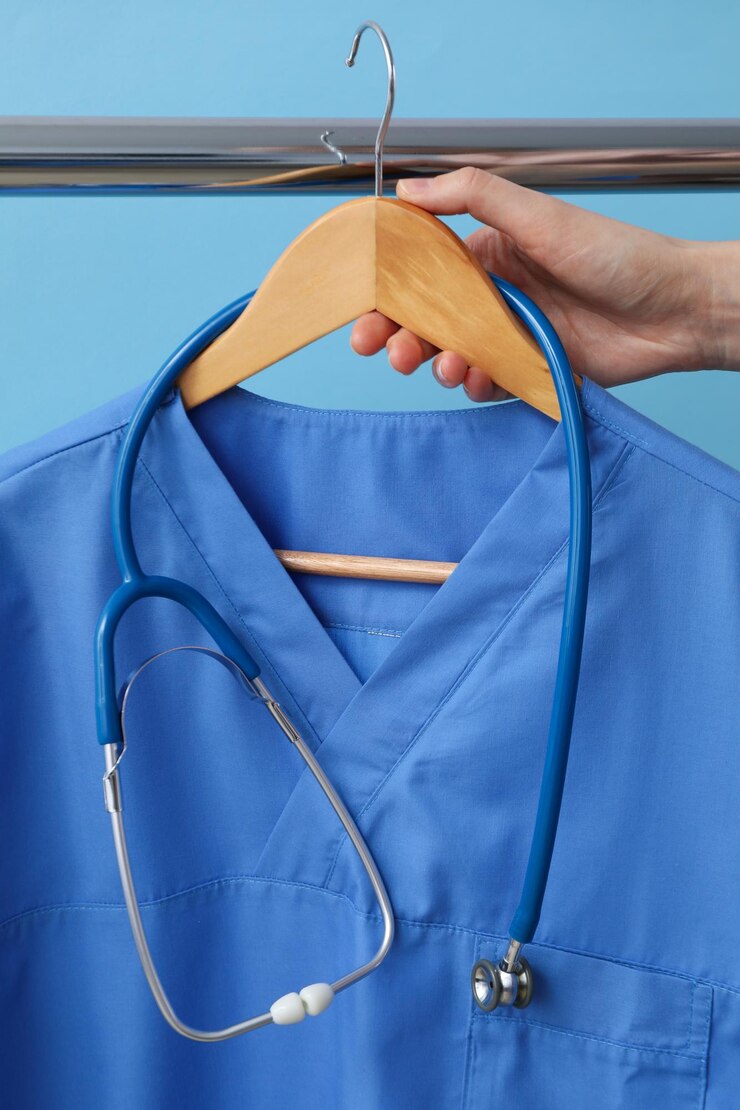
Comfort-first medical wear with clean silhouettes, practical storage, and hygienic material direction.
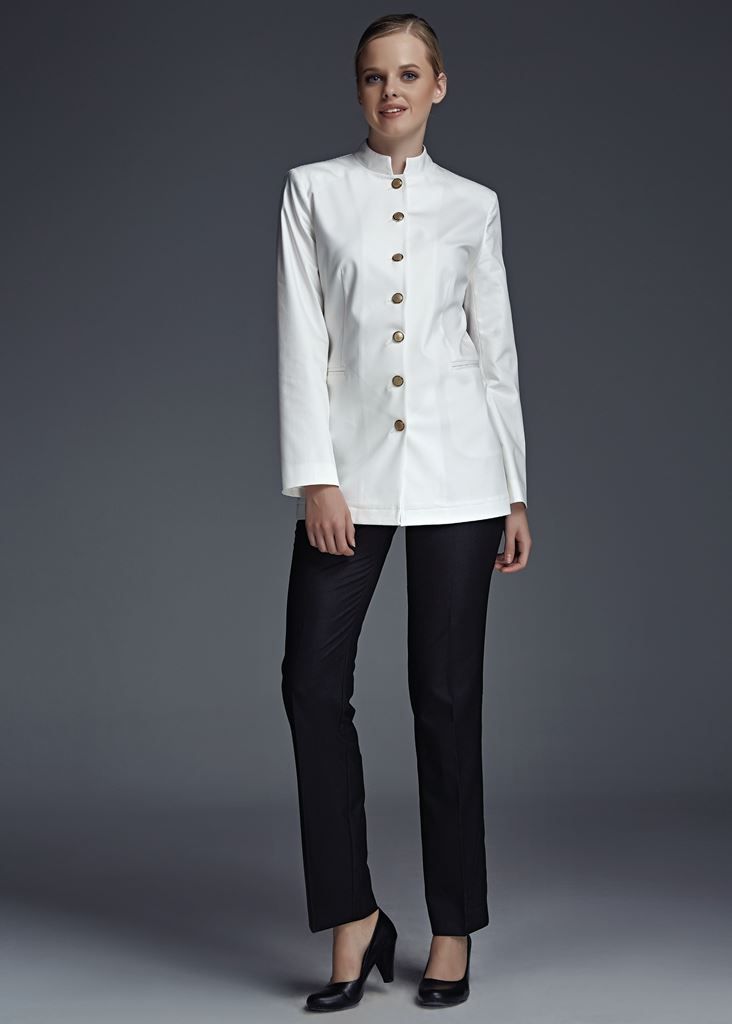
Explore this sectorRefined wardrobe systems for hotels, restaurants, and concierge teams where brand perception matters instantly.
Explore this sectorDurable, command-led uniform programs that reinforce trust, utility, and a professional site presence.
Explore this sectorMaterial and finish direction
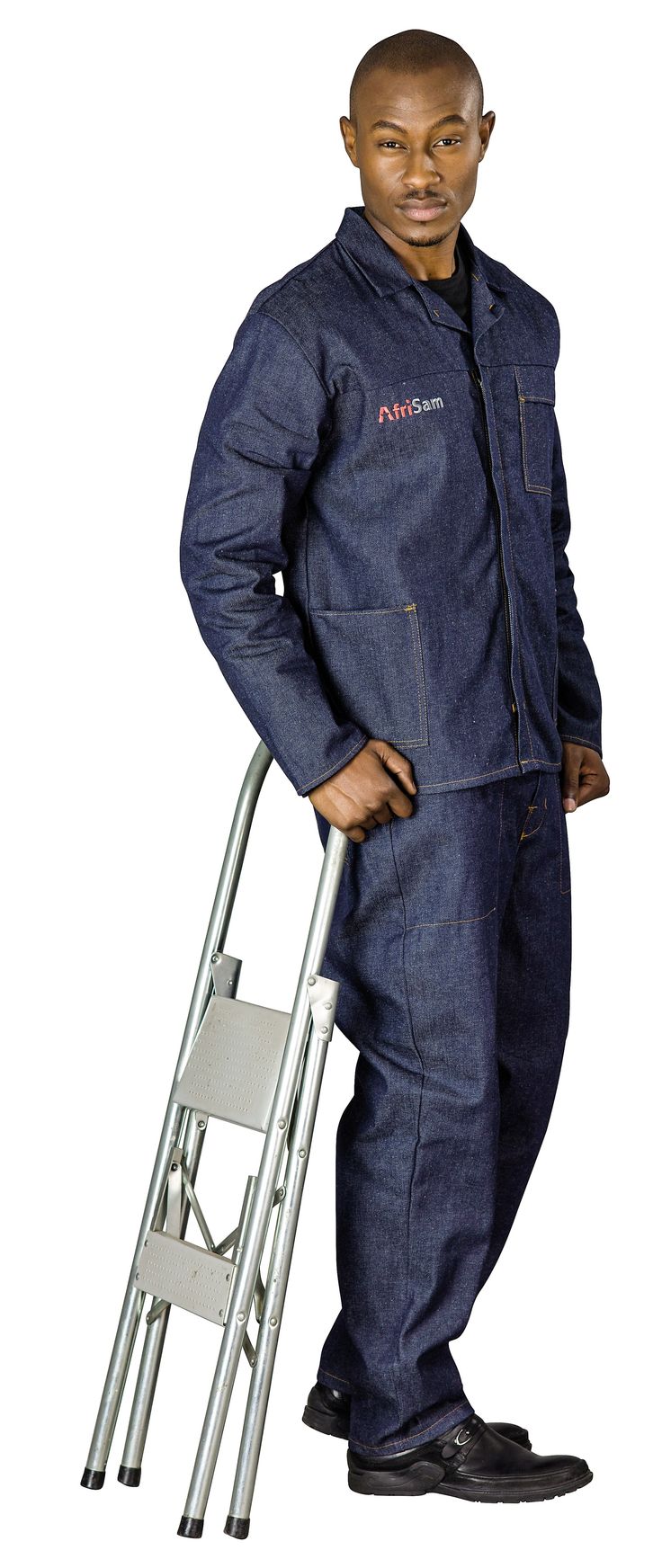
The updated homepage shifts the brand away from generic stock messaging and toward a more premium system language focused on function, finishing, and role clarity.
Breathable blends for hot-shift environments
Role-based garment architecture for service, management, and field teams
Embroidery, trims, and finishing that stay sharp under repeat use
Fabric choices that support visual polish without sacrificing endurance
Built to scale
The new direction feels more like a premium operating brand and less like a generic blog homepage, while still keeping the service routes clear for conversion.
Delivery modes
For organizations that need a complete visual uniform language across departments and locations.
For industrial, logistics, and frontline teams that need movement, durability, and visibility built in.
For hospitality, healthcare, and reception teams where appearance drives confidence and trust.
For operators who need functional specifications, dependable consistency, and approval-ready presentation.
Ready to reframe the brand
This refreshed direction puts design credibility, sector clarity, and commercial trust at the center of the experience.